
Hardwood Floor Gaps in Central Oregon: What’s Normal and What’s Not
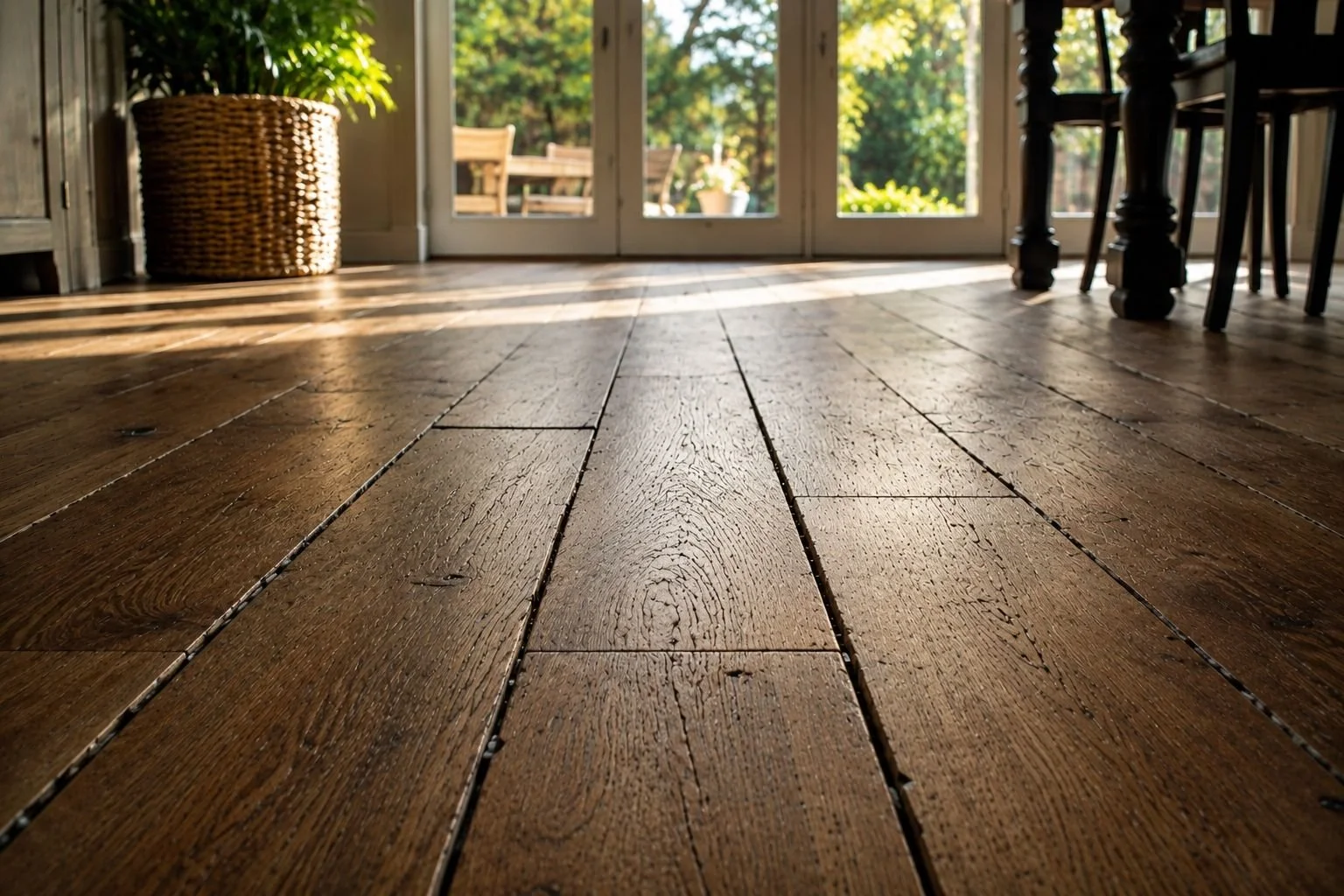
What We Tell Homeowners: After the Panic Text Comes In
Every year around this time, we get some version of the same message:
“Hey Louis… I swear these gaps weren’t here before. Is my floor failing?”
Usually, the answer is no.
Hardwood floors move. That’s what real wood does. And here in Central Oregon, our climate tends to make that movement a little more noticeable than it is in other places.
If you live in Bend or the surrounding areas, you already know how dry it gets here, especially through winter when furnaces, fireplaces, and indoor heat are running nonstop. Wood reacts to all of that.
So before you assume something went wrong with your floors, here’s what’s actually normal, and what might be worth paying attention to.
First: Why Hardwood Floors Gap at All
Wood naturally absorbs and releases moisture depending on the environment around it.
When the air gets dry, hardwood loses moisture and shrinks slightly.
When humidity comes back, the boards expand again.
That expansion and contraction is completely normal.
It happens with:
Solid hardwood flooring
Engineered hardwood flooring
Old homes
Brand new homes
The difference is that Central Oregon’s dry climate can exaggerate the effect a bit more than milder climates do.
That’s why homeowners here tend to notice:
Small gaps during winter and early spring
Tighter seams during summer
Slight seasonal movement year to year
A properly installed hardwood floor is actually designed with this movement in mind.
What’s Usually Considered Normal
In most Central Oregon homes, a few small seasonal gaps are not something we worry about.
Especially if:
The gaps are small and fairly consistent
They appear during colder/drier months
They improve as humidity rises
The boards themselves still feel solid underfoot
This is especially common:
Near windows
Around vents
Close to fireplaces or wood stoves
In homes where indoor humidity drops really low during winter
Honestly, some of the most beautiful solid hardwood floors we’ve ever worked on still move seasonally. That’s just part of having a real wood floor.
People sometimes expect hardwood to behave like tile or vinyl, but it’s a natural material. A little movement is part of the character.
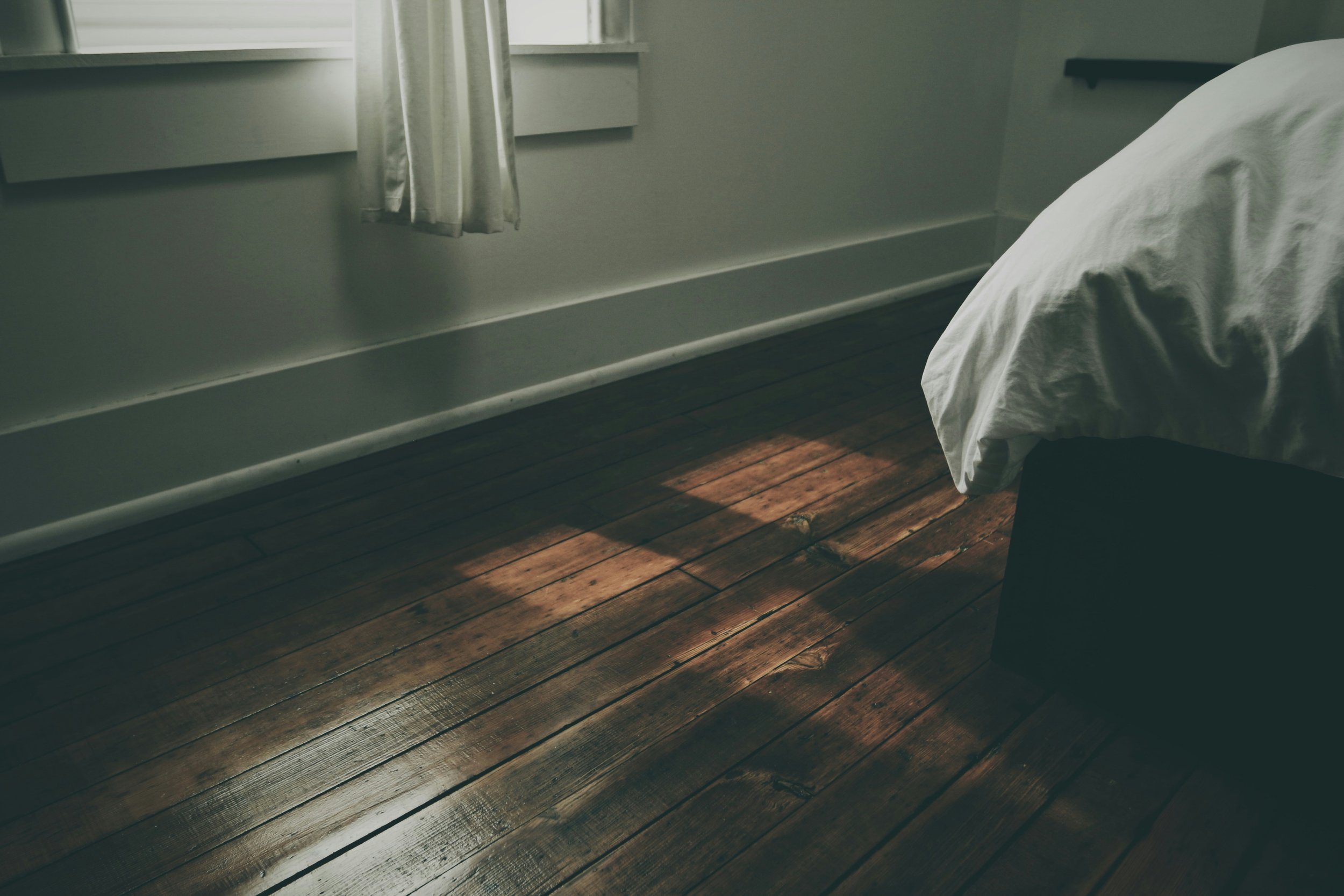
Real Wood Moves
Hardwood floors were never meant to stay perfectly frozen in time.
Small seasonal changes are part of what makes real wood feel authentic, lived-in, and natural, especially here in Central Oregon.
What’s Not Normal
Now, there are situations where gaps can point to a bigger issue.
Things that usually deserve a closer look:
Large gaps that stay year-round
Boards cupping or lifting
Sudden major movement
Soft or spongy areas
Excessive separation in only one section of the home
Signs of moisture intrusion
Sometimes it’s installation-related.
Sometimes it’s a humidity issue.
Sometimes it’s the home itself.
That’s why context matters so much.
You can’t really diagnose a floor from one close-up phone photo on the internet, even though homeowners definitely try.
Solid vs. Engineered Hardwood in Central Oregon
This is also where the difference between solid and engineered hardwood starts showing up.
Solid hardwood tends to move more because it’s one solid piece of wood throughout.
Engineered hardwood is built in layers, which helps it stay more dimensionally stable during seasonal swings.
That doesn’t mean engineered is “better.” It just means different products can behave differently in Central Oregon’s climate.
Homes with:
Concrete subfloors
Basements
Radiant heat
Larger humidity swings
These homes often benefit from engineered flooring for that reason.
Meanwhile, homes with stable indoor climate control and long-term refinishing goals may still lean toward solid hardwood.
This is usually the part where the conversation becomes less about trends and more about how the home actually lives day to day.
For more information on which choice would fit your life best between these two options, visit our previous blog “Solid Vs. Engineered Flooring” to learn more.
The Fireplace Factor in Central Oregon Homes
This one surprises people.
Wood stoves and fireplaces, especially during winter, can dry out the immediate surrounding area quite a bit. We see it all the time in Bend homes. That doesn’t mean you shouldn’t use them. It just means the flooring nearby may experience slightly more movement than other areas of the house.
Sometimes homeowners think the floor near the fireplace was “installed wrong,” when really the wood is simply reacting to a very dry environment, coupled with more heat being put out from the fireplace and into the home during those chilly Central Oregon Winter days. Dry climate + Fireplace heat = Natural hardwood floor gaps surrounding the heat source.
So… Should You Worry?
Usually? No.
Most seasonal hardwood floor gaps in Central Oregon are cosmetic and temporary.
The bigger goal is consistency:
Stable indoor temperatures
Reasonable humidity levels
Proper installation
Choosing the right product for the home in the first place
That’s honestly where most long-term flooring success comes from. It’s not from chasing perfection. Real hardwood floors are supposed to look lived in over time. A floor with zero movement forever isn’t really how natural wood works.
Our Final Thoughts
Some movement is completely normal and some gaps are to be expected.
And in Central Oregon, dry air is simply part of the equation.
The goal isn’t finding a hardwood floor that never reacts to climate.
The goal is installing one that reacts the way it’s supposed to.
And usually, a quick conversation with someone experienced can tell you a lot faster than going down a rabbit-hole late at night, spiraling, convinced your investment floors are ruined.
Thinking about new hardwood floors or wondering if what you’re seeing is normal? We’d be happy to put your mind at ease to help! Give us a call at (541) 420-2428. We’re always here to talk through it honestly, no pressure, just good ol’ floor shop talk.
